


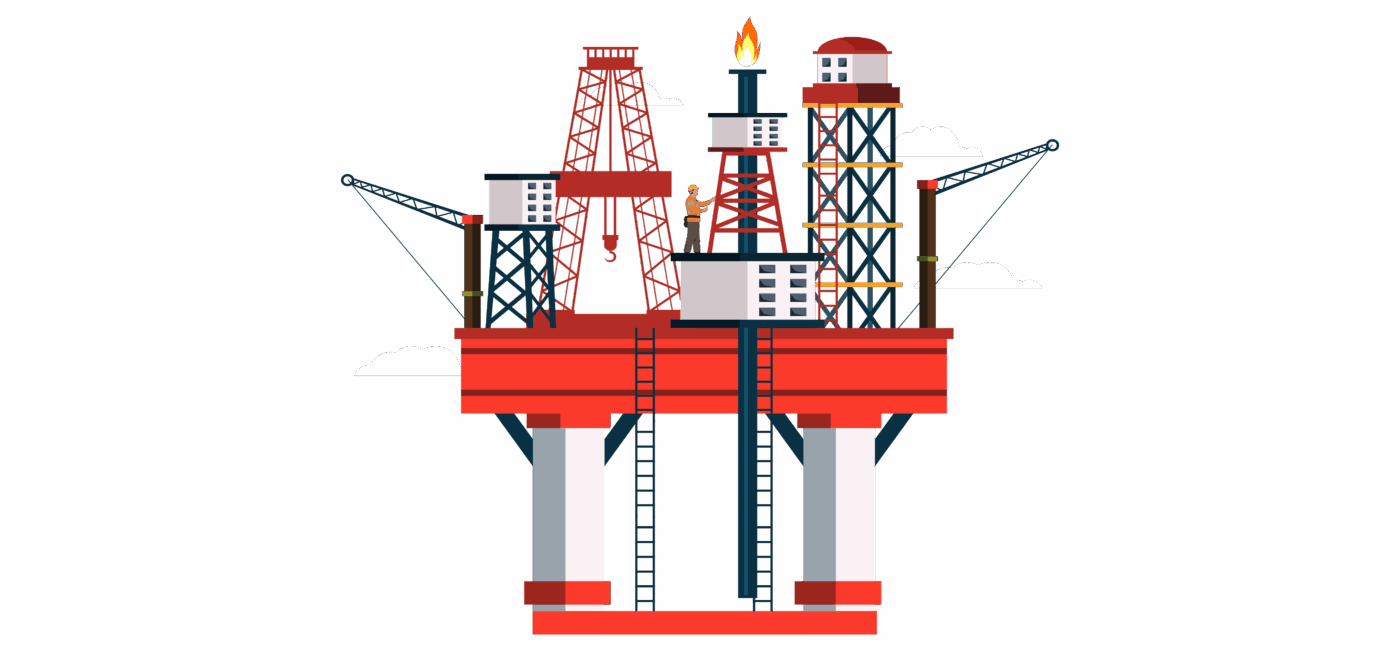
Derrickmen working on oil rigs face life-threatening hazards at extreme heights, making workplace safety critical. Traditional safety monitoring methods often fail to prevent accidents in these demanding environments. AI-powered computer vision technology is revolutionizing derrickmen safety through real-time PPE monitoring, hazard detection, unsafe behavior alerts, and centralized safety management systems.
Our team has successfully deployed these innovative AI safety solutions across multiple industrial sites. Contact us today to discover how computer vision can transform safety protocols and reduce accidents on your oil rig operations.
What is Computer Vision for Oil Rig Safety?
Computer vision uses artificial intelligence and deep learning to analyze video feeds in real-time, identifying safety violations, equipment hazards, and dangerous worker behaviors before accidents occur. This technology provides 24/7 automated monitoring that surpasses human supervision capabilities.
Real-Time PPE Compliance Monitoring for Derrickmen
Why PPE Monitoring Matters
Personal Protective Equipment (PPE) compliance is essential for preventing fatal accidents on drilling rigs. Derrickmen must wear helmets, safety harnesses, protective clothing, and fall protection gear at all times. Manual supervision cannot guarantee continuous compliance across large rig sites.
How AI-Powered PPE Detection Works
Advanced computer vision systems combine high-resolution cameras with convolutional neural networks (CNNs) to:
- Monitor PPE usage continuously across all work zones
- Detect missing equipment including helmets, harnesses, gloves, and safety vests
- Send instant alerts when violations occur
- Generate compliance reports for safety audits and regulatory requirements
- Process video feeds using edge computing devices for zero-latency response
Our AI models are trained on extensive industrial datasets to recognize multiple PPE classes simultaneously. The system runs on edge AI hardware like NVIDIA Jetson, delivering immediate notifications to supervisors when non-compliance is detected.
Real-World Results
We have deployed PPE compliance monitoring systems on industrial sites, achieving measurable improvements in safety adherence and reducing incident rates. These solutions eliminate human oversight gaps, ensuring consistent enforcement even during night shifts or in remote rig locations.
Ready to improve PPE compliance? Contact us to learn how our AI systems integrate with your existing safety protocols.
Unsafe Behavior Detection Using Pose Estimation AI
Identifying Dangerous Actions Before Accidents Happen
Computer vision goes beyond equipment monitoring by detecting hazardous behaviors that lead to injuries:
- Falls from elevated platforms
- Loss of balance or unstable postures
- Improper climbing techniques
- Unauthorized entry into restricted zones
- Risky movements near rotating equipment
Advanced Pose Estimation Technology
Our behavior detection systems use pose estimation algorithms that map worker body joints in real-time to identify dangerous movements. The AI analyzes:
- Body posture and positioning to detect unstable stances
- Movement patterns that indicate potential falls
- Zone violations when workers enter high-risk areas without authorization
- Interaction with equipment to prevent improper handling
These deep learning models are trained on rig-specific scenarios and adapt to challenging conditions including variable lighting, weather changes, and complex rig environments.
Immediate Intervention Capabilities
When unsafe behavior is detected, the system triggers instant alerts to supervisors and workers through audio alarms, visual warnings, or mobile notifications—enabling rapid intervention before accidents occur.
Want to see behavior detection in action? Schedule a live demonstration of our real-time safety intervention technology.
Automated Hazard Detection Around Drilling Rigs
Protecting Structural Integrity with AI Inspection
Oil rig equipment faces constant stress from harsh environmental conditions. Computer vision enables automated inspection of:
- Structural components for cracks, corrosion, and metal fatigue
- Mechanical equipment for wear patterns and failure indicators
- Welding joints and connections for integrity issues
- Drilling equipment for abnormal conditions
Multi-Sensor AI Integration
Our hazard detection systems combine multiple data sources:
- High-resolution cameras for visual defect identification
- Thermal imaging to detect overheating equipment and gas leaks
- AI image segmentation to isolate problem areas automatically
- Anomaly detection algorithms for early fault warnings
Drone-Based Aerial Inspection
AI-equipped drones conduct regular inspections of hard-to-reach areas including:
- Derrick towers and elevated platforms
- External rig structures
- Pipeline connections
- Storage tanks and equipment yards
This automated surveillance identifies potential hazards before they escalate into critical failures, reducing unplanned downtime and maintenance costs.
Proven Implementation Results
We have deployed automated hazard detection in pilot projects, delivering actionable maintenance insights that prevent equipment failures and enhance operational reliability.
Interested in predictive maintenance? Engage with us to explore customized automated inspection solutions for your oil and gas operations.
Centralized Safety Data Management Systems
Transforming Safety Data into Actionable Intelligence
Computer vision systems generate massive amounts of valuable safety data:
- PPE compliance records and violation logs
- Incident video footage and timestamps
- Behavior analytics and risk patterns
- Equipment inspection reports
- Environmental hazard alerts
Cloud-Based Safety Dashboards
Our integrated platforms consolidate all safety information into centralized dashboards that provide:
- Real-time visibility into safety metrics across all rig locations
- Automated compliance reporting for regulatory requirements
- Video evidence storage for incident investigations
- Trend analysis to identify recurring safety issues
- Predictive risk scoring based on historical data patterns
Enterprise Integration Capabilities
Safety data platforms connect with existing systems through secure APIs:
- HSE management software integration
- SCADA system connectivity
- ERP and maintenance management systems
- Mobile apps for field supervisors
- Cloud or hybrid deployment options
Our end-to-end data centralization solutions are specifically designed for oil and gas industry requirements, enabling faster decision-making and enhanced regulatory compliance.
Want centralized safety visibility? Contact us to learn how integrated data management strengthens your risk mitigation strategies.
Technical Implementation and Deployment Guide
Hardware Requirements for Oil Rig Environments
Successful computer vision deployment requires industrial-grade equipment:
- Ruggedized cameras resistant to vibration, extreme temperatures, and corrosive environments
- Edge AI processors (NVIDIA Jetson, Intel Movidius) for low-latency on-site processing
- Weatherproof enclosures with IP67+ ratings
- Reliable network infrastructure supporting video streaming and data transmission
- Backup power systems ensuring continuous operation
AI Model Architecture and Optimization
Our computer vision models are optimized for real-time performance:
- Multi-class object detection using YOLO or Faster R-CNN architectures
- Pose estimation networks (OpenPose, HRNet) for behavior analysis
- Semantic segmentation for hazard identification
- Data augmentation techniques ensuring accuracy across diverse conditions
- Model compression for efficient edge deployment
Multi-Camera Coverage Strategy
Large oil rigs require comprehensive camera networks:
- Strategic camera placement eliminating blind spots
- Multi-camera calibration for unified coverage
- Overlap zones for redundancy and accuracy
- PTZ cameras for flexible monitoring
- Video stream fusion for complete situational awareness
Advanced Anomaly Detection Methods
Unsupervised learning techniques identify unusual patterns:
- Equipment behavior baseline establishment
- Statistical anomaly detection for early fault warnings
- Temporal pattern analysis for predictive maintenance
- Automated alert threshold optimization
Need technical expertise? Our team brings deep experience architecting and scaling AI systems within industrial constraints. Reach out to discuss customized technology solutions aligned with your rig’s safety objectives.
Benefits of AI Computer Vision for Oil Rig Safety
Measurable Safety Improvements
- Reduce accident rates by up to 60% through proactive monitoring
- Improve PPE compliance from 75% to 98%+ adherence rates
- Decrease response times from minutes to seconds for safety incidents
- Lower insurance costs through demonstrated safety improvements
- Prevent fatalities with early detection of life-threatening situations
Operational Efficiency Gains
- Minimize downtime through predictive equipment maintenance
- Optimize workforce allocation based on safety analytics
- Streamline safety audits with automated reporting
- Reduce manual inspection costs by 40-70%
- Enhance regulatory compliance avoiding fines and shutdowns
Return on Investment
Most oil and gas companies achieve ROI within 12-18 months through:
- Reduced incident-related costs
- Lower insurance premiums
- Decreased equipment failure expenses
- Improved operational efficiency
- Enhanced regulatory compliance
Why Choose Our Computer Vision Safety Solutions?
Proven Industry Experience
Our team has successfully implemented AI-powered safety systems across multiple industrial environments including:
- Offshore and onshore drilling operations
- Petrochemical facilities
- Manufacturing plants
- Construction sites
- Mining operations
Comprehensive Service Offering
We provide end-to-end solutions:
- Consultation and site assessment to identify specific safety needs
- Custom AI model development trained on your operational scenarios
- Hardware specification and procurement for harsh rig environments
- System installation and integration with existing infrastructure
- Training and change management for your safety teams
- Ongoing support and optimization ensuring peak performance
Cutting-Edge Technology Stack
We leverage the latest advancements in:
- Deep learning and neural networks
- Edge AI computing platforms
- Cloud-based data analytics
- Mobile and web dashboard development
- Computer vision research innovations
Get Started with AI-Powered Derrickmen Safety
Transform your oil rig safety program with proven computer vision technology. Our solutions have helped industrial clients achieve significant reductions in accidents, improve compliance rates, and enhance operational efficiency.
Next Steps
- Schedule a consultation to discuss your specific safety challenges
- Request a live demo of our computer vision safety systems
- Review case studies from similar oil and gas implementations
- Receive a custom proposal tailored to your rig operations
Contact us today for a detailed consultation and discover how AI computer vision can safeguard your workforce, reduce risks, and optimize drilling operations.
Frequently Asked Questions About Oil Rig Computer Vision Safety
How accurate is AI-based PPE detection?
Our systems achieve 95-98% accuracy in detecting PPE compliance violations under normal operating conditions, with false positive rates below 2%.
Can computer vision work in extreme weather conditions?
Yes, our ruggedized camera systems and AI models are designed for harsh environments including heavy rain, fog, extreme heat, and low-light conditions.
How quickly can the system be deployed?
Typical deployment timelines range from 4-8 weeks depending on rig size and complexity, including hardware installation, network setup, and system calibration.
What is the cost of implementing computer vision safety systems?
Costs vary based on rig size, camera coverage requirements, and feature scope. Most installations range from $50,000-$250,000 with 12-18 month ROI.
Does the system require constant internet connectivity?
No, our edge AI architecture enables on-site processing with local alerts. Internet connectivity is only needed for cloud dashboard access and data synchronization.
How does this integrate with existing safety management systems?
We provide REST APIs and standard integration protocols compatible with most HSE management platforms, SCADA systems, and enterprise software.
What about worker privacy concerns?
Our systems focus on safety compliance and hazard detection, not individual tracking. Video data is encrypted, access-controlled, and retained according to your policies.